Blog

  • உயிர் எழுத்துகளின் வரிசை

    உயிரெழுத்துக்களின் வரிசை

    தமிழ் மொழி ஒலிக்கு வடிவம் கொடுப்பதாலேயே இன்றும்  செயல் பாட்டில் இருந்து வருகிறது. நாம் அடிப்படையாக எழுப்பும் ஒலியின் வடிவமே தமிழ் உயிரெழுத்துக்களாக வடிவம் கொண்டுள்ளன.
    அந்த ஒலியின் அடிப்படையிலேயே உயிர் எழுத்துக்களின் வரிசையும் அமைந்துள்ளது. ஆங்கிலத்தில் a,e,i o u என்ற எழுத்துக்களின் ஒலி வரிசையை எடுத்துக் காட்டாகக் கொண்டால்  உயிர் எழுத்துக்களின் வரிசையை நம்மால் எளிதாகக் கற்றுக் கொள்ள முடியும்.

    “அ” என்ற எழுத்து  உயிரெழுத்துக்களின் முதல் எழுத்து. இதைத் தொடர்ந்து அதன் நீண்ட ஒலியான “ஆ” வருகிறது.. அடுத்து வருவது “இ” என்ற ஒலி அதைத் தொடர்ந்து வருவது “ஈ” என்ற எழுத்து நீண்டு ஒலிக்கிறது.    தமிழில் “உ” என்ற ஒலியின் குறிலும் நெடிலும் “எ” என்ற ஒலியின் குறிலும் நெடிலும் அடுத்தடுத்து வருகின்றன. அஃதாவது உ,ஊ, எ, ஏ. ஆங்கிலத்தில் எ, ஏ எழுத்துக்களின் ஒலி வடிவத்திற்கென்று தனியாக வரி வடிவம்  இல்லை நாம் இங்கே குறித்துக் கொள்ள வேண்டும். “அ”, “இ” என்ற ஒலிகள் இணைவதால் வரும் ஒலி  “ஐ”என்று தமிழில் வரி வடிவம் பெற்று நீண்டு ஒலிக்கிறது,. அடுத்து வருவது “ஒ” என்ற ஒலியின் குறில், நெடில் வடிவங்களான “ஒ”,வும் “ஓ”வும். இறுதியாக “அ”வும் “உ”வும் இணைவதால் ஏற்படும் ஒலியின் வடிவம் ஓள. க்டைசி உயிரெழுத்தாக வருகிறது..இந்த ஒலிக்கும் ஆங்கிலத்தில் வரிவடிவம் தனியாக இல்லை என்பதை நாம் குறித்துக் கொள்ள வேண்டும்.

    தனி எழுத்தான ஆய்தத்தை உயிரெழுத்துகளோடு  சேர்த்துப் படிப்பது தமிழர்களின் வழக்கம்.

    A picture of Tamil vowels
    Order of Tamil vowels

    Order Of the Tamil Vowels

    Tamil language is a phonetic language. That is why it is still a very active language. The basic sound humans make has the taken the forms in Tamil vowels. If we take the English vowels as an example it is easy to learn the order of the Tamil vowels.

    The letter “அ” is the first letter in Tamil vowels. Then comes is long vowel form “ஆ” . Next comes the short sound “இ” It is followed by the letter “ஈ” which is the representation of longer e sound. The short and long vowels of the sound “உ” and “எ” comes next. That is உ,ஊ, எ, ஏ.. We have to note that in English there is not letter representation of the sound “ay”. When the “அ”, “இ” sounds combine they make the long vowel “ஐ”. The long and short sound of “ஒ” comes next as “ஒ”and “ஓ. When the sound of “அ” and “உ” it make the long vowel sound ஓள.. Here also note that this sound does not have the letter representation in the English language.

    Ayudham is always learnt with the vowels traditionally.

  • உயிர் எழுத்து சொற்களின் காணோளி

    உயிர் எழுத்து சொற்களின் காணோளி

    உயிர் எழுத்துப் பயிற்சிக்கு உதவும் சொற்களை கண்ணால் கண்டு காதால் கேட்டு மகிழுங்கள்

  • தமிழ் உயிரெழுத்துக்கள்- Tamil Vowels

    தமிழ் உயிரெழுத்துக்கள்

    தமிழ் மொழிக்கு அடிப்படை ஒலியாக அமைவது உயிரெழுத்துக்கள். இவை மொத்தம் பன்னிரெண்டு.

    அ,ஆ, இ, ஈ, உ, ஊ, எ, ஏ, ஐ, ஒ, ஓ,ஓள

    ஆங்கில மொழியில் இருக்கும் a, e,i o, u என்ற ஐந்து உயிர் எழுத்துக்களின் ஒலியை தமிழ் எழுத்துக்கள் பன்னிரெண்டும் உண்டாக்குகின்றன. ஆங்கிலத்தில் இந்த ஐந்து ஒலிகளில் எந்த ஒரு மாற்றம் ஏற்பட்டாலும் அதே ஐந்து எழுத்துக்களே அவற்றிற்கும் வரி வடிவம் கொடுக்கின்றன.

    ஆனால் தமிழில் குறுகிய ஒலிக்கு ஒரு வரிவடிவமும், நீண்டு ஒலிக்கும் ஒலிக்கு ஒரு வடிவமும் உண்டு. அ,ஆ என்ற இரண்டு எழுத்துக்களும் a என்ற ஆங்கில எழுத்துக்கு இணையான ஒலிகளைக் குறிக்கின்றன, இ,ஈ என்ற இரண்டு எழுத்துக்களும் e என்ற எழுத்தின் ஒலியைக் குறிக்கின்றன. உ,ஊ என்ற தமிழ் உயிர் எழுத்துக்கள் U என்ற ஆங்கில எழுத்தின் ஒலிகளை உருவாக்குகின்றன.எ,ஏ என்ற எழுத்துக்களும் அதன் ஒலிகளும் ஆங்கிலத்தில் உயிர் எழுத்துக்களாக இல்லை.ஆங்கில எழுத்து ன் ஒலியை ஐ என்ற எழுத்துக் குறிக்கிறது O என்ற ஆங்கில எழுத்தின் ஒலியை ஒ,ஓ என்ற இரண்டு உயிர் எழுத்துக்களும் உருவாக்குகின்றன.
    ஒள என்ற தமிழ் உயிர் எழுத்து o,u என்ற இரு எழுத்துக்களின் ஒலியையும் இணைத்து ஒள என்ற ஒலியை உருவாக்குகிறது. ஆக தமிழ் உயிர் எழுத்துக்கள் பன்னிரெண்டும் அடிப்படை ஒலிகளின் வரிவடிவமாக இருக்கின்றன.

    உயிரெழுத்துக்கள் பிற எழுத்துக்களின் உதவியில்லாமல் தானாகவே இயங்கும். மற்ற எழுத்துக்களுக்கு உயிர் கொடுத்து அவை இயங்க காரணமாக இருக்கிறது. அதனால் உயிரெழுத்துக்கள் முதல் எழுத்துக்கள் என்றும் அழைக்கப்படுகின்றன.

     தமிழ்  உயிர் எழுத்துகள்
    தமிழ் உயிர் எழுத்துகள்

    [aesop_audio title=” Tamil vowels” src=”http://tamilanitham.com/wp-content/uploads/2015/05/vowelsstring.mp3″ loop=”off” viewstart=”off” viewend=”on” hidden=”off”]

    Tamil Vowels

    The Tamil vowels becomes the basic building block of Tamil language. There are twelve Tamil


    vowels

    In English language  the letters “a,e,i,o,u” are the vowels.  They represent both short and long vowels. In Tamil

    each short and long vowels have their own letters. The sound of letter a is represented by அ,ஆ. The Tamil letters இ,ஈ  are the letters for the sound in letter”e” உ,ஊ  letters produce the same sound    for the vowel “u” .எ ஏ makes the sound that is not in the English vowels. The letter ஐ makes the same sound as “i” The letter “O” is sound is made throughஒ,ஓ. ஒள makes the combination sound of “o”and “u”. So the twelve vowels are the basic building block of the Tamil language.

    The Tamil vowels can operate self sufficiently. They don’t depend upon other Tamil letters  to work. So they are also referred as  the “first letters”

  • சொற்களை அடையாளம் கண்டுபிடி

    கீழ் உள்ள சொற்களின் எழுத்து வடிவத்தையும், பட வடிவத்தையும் உருவ வடிவத்தையும் ஒருமுறை மீள் பார்வை செய்தல் வேண்டும் அப்போது தான் அடுத்ததாக வெறும் வார்த்தைகளை பாரதியார் பாடலாக மாற்றி அமைக்க முடிந்ததன் அடிப்படை இலக்கணத்தை நாம் அறிந்து கொள்ள முடியும்.

    எனவே இது ஒரு சிறு மீள் பார்வையாக எடுத்துக் கொள்ள வேண்டும்.

    http://http://youtu.be/kV2TgWPgTWI

    ஓடுதல் – to run

    விளையாடுதல் – to play

    பாப்பா – baby or little one

    நீ – you

    ஓய்ந்திருத்தல் – rest or lounge

    ஆகாது – not to become

    கூடுதல் – to gather

    வைதல் – to scold

    Identify the words

    This is lesson is another simple review of the words in their written and picture form. Understanding the meaning and able to identify the words is the first step in learning the grammar behind the words. The words Bharathi used turned ordinary words into a song. So This is a simple review.

    ஓடுதல் – to run

    விளையாடுதல் – to play

    பாப்பா – baby or little one

    நீ – you

    ஓய்ந்திருத்தல் – rest or lounge

    ஆகாது – not to become

    கூடுதல் – to gather

    வைதல் – to scold

  • ஓடி விளையாடு பாப்பா

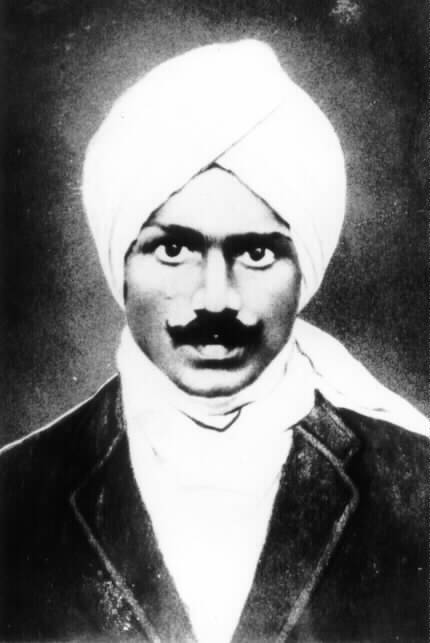
    Subramanya_Bharathi

    எழுத்துகளை கண்டுபிடிக்கவும்

    பாரதியாரின் பாடலான ”ஓடி விளையாடு பாப்பா” என்ற பாடலின் பொருளை ஓரளவு புரிந்திருப்பீர்கள். அது குழந்தைகளுக்காக மகாகவி பாடியது. அவரது பாடலின் முதல் இரு வரிகளில் உள்ள சொற்களை இங்குப் பார்ப்போம். சொற்களை முதலில் நாம் கண்ணால் அடையாளம் காண்கிறோம், பின் காதால் கேட்டு எப்படி உரைப்பது என்று பார்க்கிறோம்
    பாடத்தைத் தொடங்கும் முன்னால் எழுத்துகளின் அடிப்படையைப் புரிந்து கொண்டோமா எனப் பரிசோதித்துப் பார்த்தல் அவசியம்.
    இந்த இழையில் ஓடுதல், விளையாடுதல், பாப்பா குழந்தை, கூடுதல் நீ ஓய்ந்திருத்தல் வைதல் ஆகாது என்ற சொற்கள் சிறிது வித்தியாசமாகக் கொடுக்கப்பட்டு உள்ளன.

    கொடுக்கப்பட்ட சொற்களின்  எழுத்துகளை அடையாளம்  கண்டு கொள்ள உதவும் Testletter_bharathiyaar

    Identify the letters

    Hope you understood the meaning of Bharathiyar song”odi villayaadu paappaa.

    We will learn the words in the first two lines. First we learn to identify the words with out eyes. Then we listen to the words with our ears. Before Moving to learn the meaning of the words  one need to identify the letters.

    The below power point presentation is a self test for you.

    Testletter_bharathiyaar


  • ஓடி விளையாடு பாப்பா

    பாடிக் கற்கலாம்

    பாரதியார் இந்திய விடுதலைப் போராட்ட காலத்தில்தமிழகத்தில் வாழ்ந்த ஒர் எழுச்சி மிகு மகா கவி ஆவார். அவருடைய பிரபலமான பாடல்களில் முக்கியமானவை சில குழந்தைப் பாடல்கள்.அதில் ஒன்று தான் “ஓடி விளையாடி பாப்பா. அந்தப் பாடலைக் கொண்டு தமிழைக் கற்கலாம். அந்தப் பாடலை இங்குப் பார்த்தும், கேட்டும் முதலில் மகிழுங்கள்.பாடலை மனதிற்குள் பதிய வைத்துக் கொள்ளூங்கள்.


    Sing and learn

    Bharathiyar is well-known poet in Tamil Nadu during India’s freedom struggle. He is a poet, writer and a publisher. Some of his popular poems are written for children. Odi villayaadu paappa is one among them. Please watch the video to see how the song is sung. Watching the video helps the students get to listen to the song. They also try to understand the meaning behind the song. We will learn Tamil using his poem next.

  • மெய் எழுத்துக்களின் பிரிவுகள்- மறு பார்வை

    மெய் எழுத்துகள்
    மெய் எழுத்துகள்

    play and review

    தமிழ் மெய் எழுத்துக்கள் நம் மொழியின் உடலாகக் கருதப் படுகின்றன. மெய் எழுத்துக்களை ஒரு மரத்திக்கு ஒப்பிடுவோம். அடிமரம், இலைகள், பூக்கள் என்று ஒரு மரத்தை மூண்று முக்கியப் பாகங்களாகப் பிரிக்கலாம். அடிமரம் தொடுவதற்குக் கடினமாக இருக்கும். பூக்கள் தொடுவதற்கு மிக மென்மையாக இருக்கும். இலைகளின் இழையமைப்பு இரண்டிற்கும் இடைப்பட்டதாக இருக்கும்.
    ஒரு மரத்தைப் போலவே தமிழ் மெய் எழுத்துக்கள் அவற்றின் ஒலிக்கும் தன்மை கொண்டு மூன்று வகையாகப் பிரிக்கப் படுகின்றன.
    மெய் எழுத்துக்கள் தங்களின் ஒலியைப் பொறுத்து வல்லினம், மெல்லினம்,இடையினம் என்று மூன்று வகைகளாகப் பிரிக்கப்படும். வல்லின எழுத்துக்கள் ஆறு. க்,ச்,ட்,த்,ப்,ற் வல்லின எழுத்துக்களாகும். இந்த எழுத்துக்களின் உச்சரிப்ப்பு வலுவான மூச்சுக்காற்று கொடுக்கும் அழுத்தத்தால் வலுமையாக இருக்கும். மெல்லின எழுத்துக்களும் ஆறு தான். ங்,ஞ்,ண்,ந்,ம்,ன் ஆகியவை மெல்லின எழுத்துகள் ஆகும். மெல்லிய ஓசைக் கொண்ட இந்த எழுத்துக்களை ஒலிக்க அதிக முயற்சி தேவையில்லை இடையின எழுத்துக்களும் ஆறு எழுத்துக்கள் தான். ய்,ர்,ல்,வ்,ழ்,ள் ஆகியவை இடையின எழுத்துக்கள். இந்த எழுத்துக்களை ஒலிக்கத் தேவையான முயற்சி நடுத்தரமாக இருக்கும். ஒலி ஓசையும் கடினமாகவோ அல்லது மென்மையாகவோ இல்லாமல் இடையில் வரும்.


    மெய் எழுத்துக்களின் பிரிவுகள்
    மெய் எழுத்துக்களின் பிரிவுகள்

    Categorization

    The Tamil consonants forms the body of the language. Think of the consonants as tree. The tree has three main parts. The trunk, the leaves and the flowers. The tree trunk is the hardest to touch, The flowers have the softest texture,and the leaves have a in-between texture.
    Like a tree tamil consonants are divided in to three groups based on the way we pronounce them. Each group has six letters.
    The consonants are categorized based on how hard or soft they pronounce. க்,ச்,ட்,த்,,ப்,ற் letters have a hardness to the sound when we pronounce them. They are called vallinam. ங்,ஞ்,ண்,ந்,ம்,ப் letters have a softness to the sound when we pronounce and does not require a lot of effort. They are called mellinam. The lettersய்,ர்,ல்,வ்,ழ்,ள் have a sound that is in-between hardness and softness. They are called idaiyinam.


    play and review

error: Copyrights: Content is protected !!